One day, we will all be part of history. But have you ever stopped to think about the stories future generations might tell about us?
Tucked away among the rolling hills, towering trees, and peaceful waters of Hoosier National Forest stands a remarkable piece of Perry County’s past.
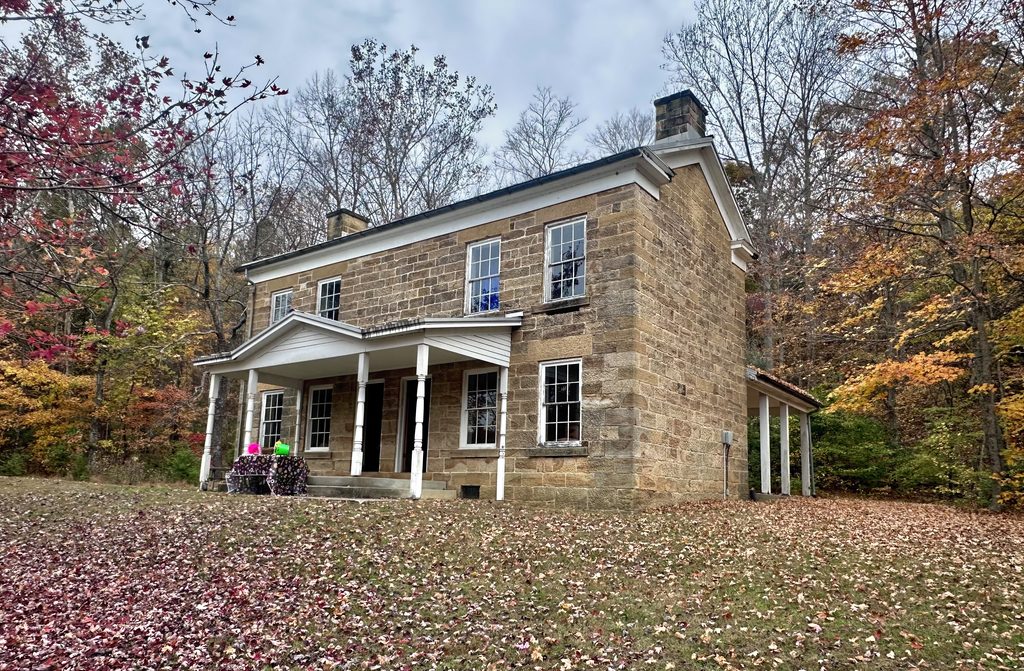
The Rickenbaugh House, overlooking beautiful Celina Lake, has stood for more than 150 years.
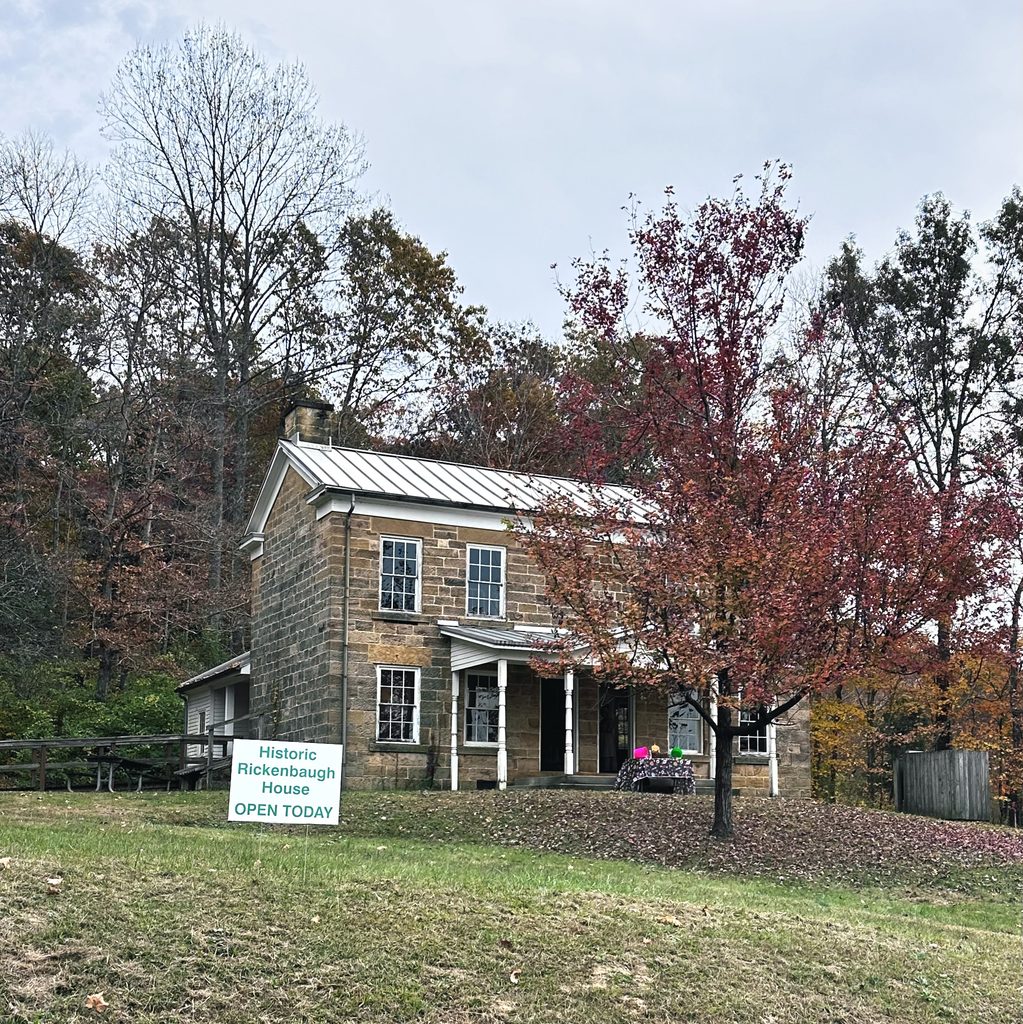
On Saturday, October 31, I had the wonderful opportunity to step inside during a special Open House hosted by Hoosier National Forest.
And what an experience it was!
There is something extraordinary about walking through the doorway of a home that has witnessed generations of life. To walk across its timeworn wooden floors, admire the craftsmanship of its sandstone walls, and see artifacts that offer small glimpses into the lives of those who came before us.
I couldn’t help but wonder about the people who once called this place home.
What conversations filled these rooms? What celebrations took place here? What hardships did this family endure? How many ordinary moments unfolded within these walls, never to be recorded in a history book?
And how many remarkable stories have been lost to time?
A Home, a Family, and a Piece of Perry County History
Built in 1874 for Jacob Rickenbaugh and his family, this beautiful sandstone home is more than an architectural treasure.
Jacob and his wife, Elizabeth, settled in the area in the 1850s. Jacob operated a tanning business, making use of the surrounding forest’s natural resources. Their family farm was once a busy place, with buildings, gardens, livestock, and the everyday activities of rural life.
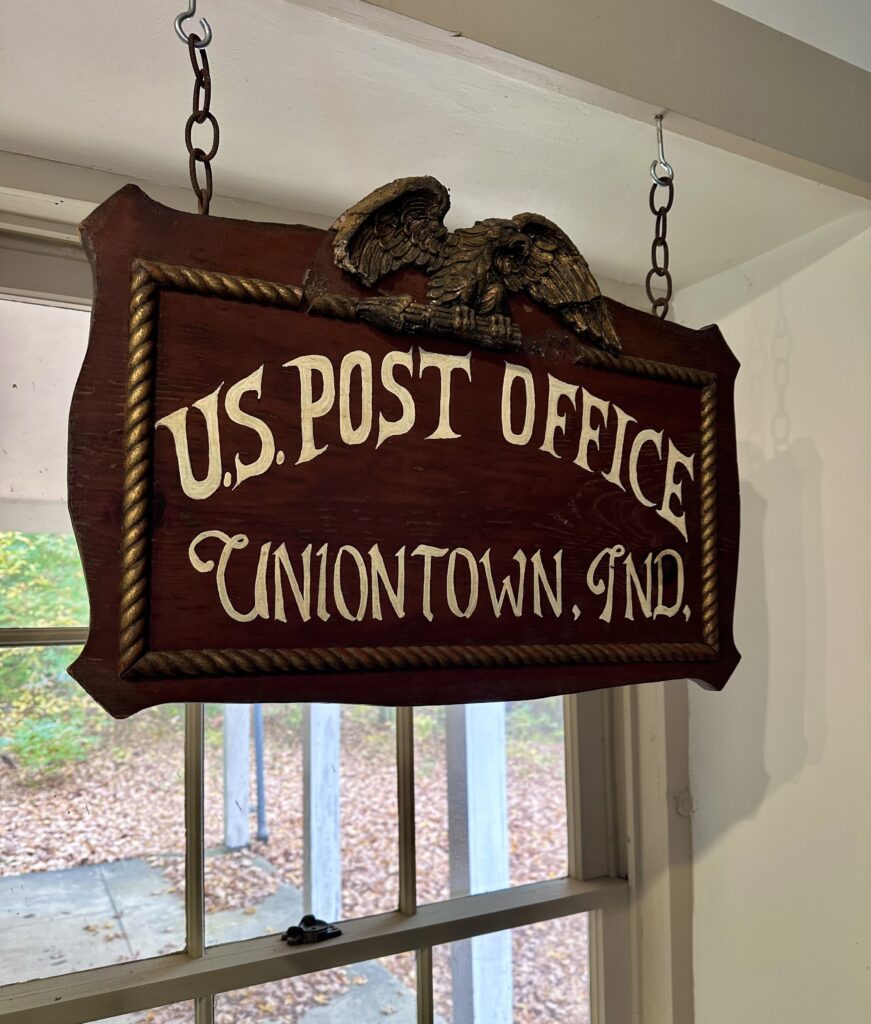
The house also served as the Celina Post Office for quite a time, making it not only a family home but an important connection to the wider world for the surrounding community.
Imagine the letters that passed through those doors. News of births, marriages, distant relatives, opportunities, and losses. All those little pieces of people’s lives traveling from one place to another.
The Rickenbaugh family and their descendants remained connected to this home for generations before the property was acquired by the U.S. Forest Service in 1968. The house was added to the National Register of Historic Places.
Today, it remains standing, offering us a glimpse into a Perry County that looked very different from the one we know.
A Treasure Within Our Own Backyard
One of the things that continues to amaze me about Perry County is just how fortunate we are to have so much of the Hoosier National Forest right here in our own backyard.
The natural beauty of this county is something truly special.
The wooded hillsides, winding trails, quiet lakes, changing seasons, and opportunities to simply step away from the noise of everyday life are treasures in their own right.
The Rickenbaugh House sits within the Indian-Celina Lake Recreation Area, where nature and history meet in the most beautiful way.
It’s a place where you can enjoy the scenery, explore the trails, appreciate the wildlife, and discover pieces of the past that might otherwise go unnoticed.
And sometimes I wonder if we realize just how lucky we are to have these places so close to home.
The Beauty of What Remains
History has a way of quietly disappearing.
A home stands empty. A roof begins to leak. Wood deteriorates, and nature slowly reclaims what people once built.
Before long, a place that held generations of memories can become little more than a forgotten foundation, an old photograph, or a name in a historical record.
The Rickenbaugh House has endured for more than 150 years, but time has certainly left its mark.
There is still work to be done. Repairs, restoration, and continued care are needed to preserve this remarkable building for future generations.
Yet even in its weathered condition, there is beauty.
There is beauty in the craftsmanship. In the imperfections. In the evidence that people once lived, worked, loved, and built their lives here.
And there is something deeply meaningful about standing in a place that could so easily have been lost.
Because these walls hold more than history. They hold the traces of ordinary people whose lives became part of something much larger than themselves.
We Are Tomorrow’s History
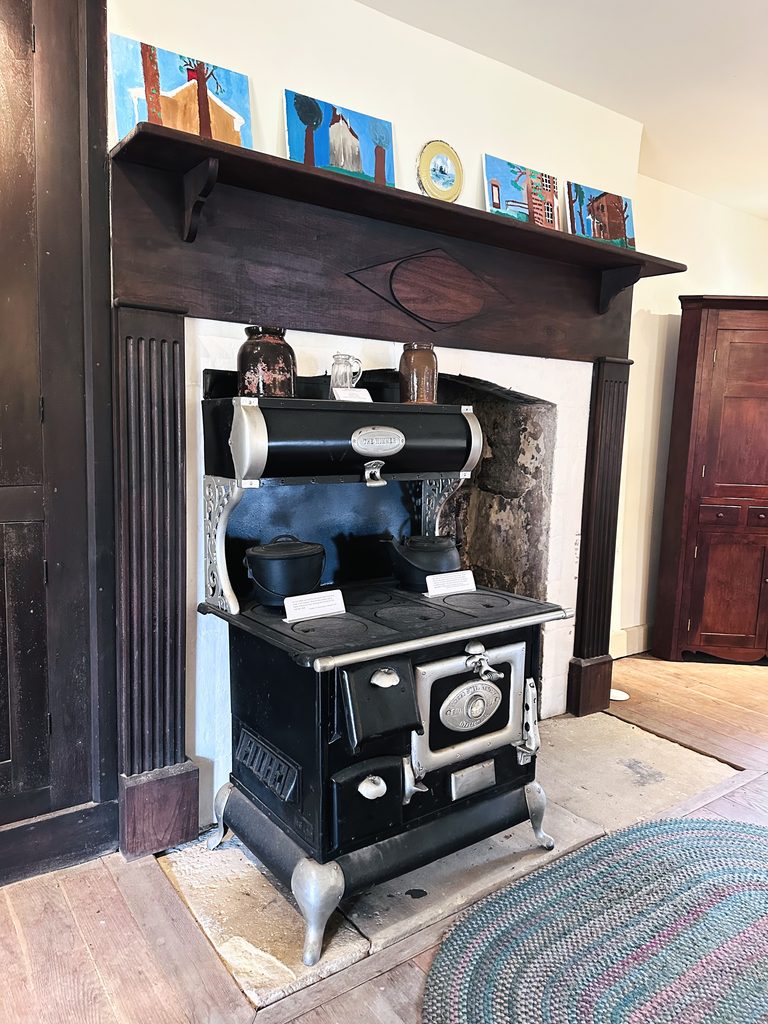
Standing inside the Rickenbaugh House, surrounded by remnants of lives lived more than a century ago, I found myself thinking about something rather extraordinary.
The people who lived here probably never imagined that strangers would someday walk through their home, admire their belongings, study their photographs, and wonder about their lives.
They weren’t living their days with the intention of becoming history.
They were simply living.
They worked. They raised families. They made friends. They helped neighbors. They celebrated milestones, endured hardships, and experienced countless ordinary moments that probably seemed no different from the ones we experience today.
And yet, here we are, more than a century later, still telling their stories.
What feels ordinary to us today may be extraordinary to someone tomorrow.
Think about that.
The photograph you take at a community gathering. The business you open. The garden you plant. The neighbor you help. The volunteer project you join. The friendships you build. Even the everyday routines that seem too insignificant to remember.
Someday, these may become the very things that help future generations understand who we were.
Perhaps a photograph of you will hang on a museum wall. Perhaps someone will find your name in an old newspaper, discover a letter you wrote, or learn about a community project you helped bring to life.
And perhaps they’ll wonder about you, just as we wonder about the Rickenbaugh family today.
What kind of person were you? What did you care about? What was life like when you walked these streets?
We often think history belongs to important people, remarkable accomplishments, and extraordinary events.
But history belongs to all of us.
Every generation leaves its fingerprints upon the places it calls home. Every person contributes something to the world around them, sometimes without ever realizing the difference they’ve made.
And every community is shaped not only by its leaders and landmarks, but by the countless everyday lives unfolding within it.
We are not simply living in Perry County. We are helping write its history.
And while we cannot know which moments will be remembered, or how our stories will someday be told, we can be intentional about the lives we lead and the impact we leave behind.
We can choose kindness.
We can nurture one another.
We can show up for our neighbors, support our local businesses, volunteer our time, celebrate our differences, and help create a community where people feel they belong.
Not because we’re hoping to be remembered.
But because the community we build today becomes the inheritance of those who come after us.
And perhaps, a hundred years from now, someone will walk through a building we helped preserve, look at a photograph of a gathering we attended, or read about an effort we helped bring to life.
Perhaps they’ll see that, despite our differences and the challenges of our time, we found ways to come together.
That we cared for our community and for one another.
That we left something worth building upon.
One day, we will all be part of Perry County’s past.
And if our stories should share the pages of its history, I hope they tell of a community that chose to grow together, care for one another, and leave this beautiful place a little better than we found it.
After all, we are the stories someone else will tell someday.
Let’s make them good ones.
Discover Perry County’s Natural and Historical Treasures
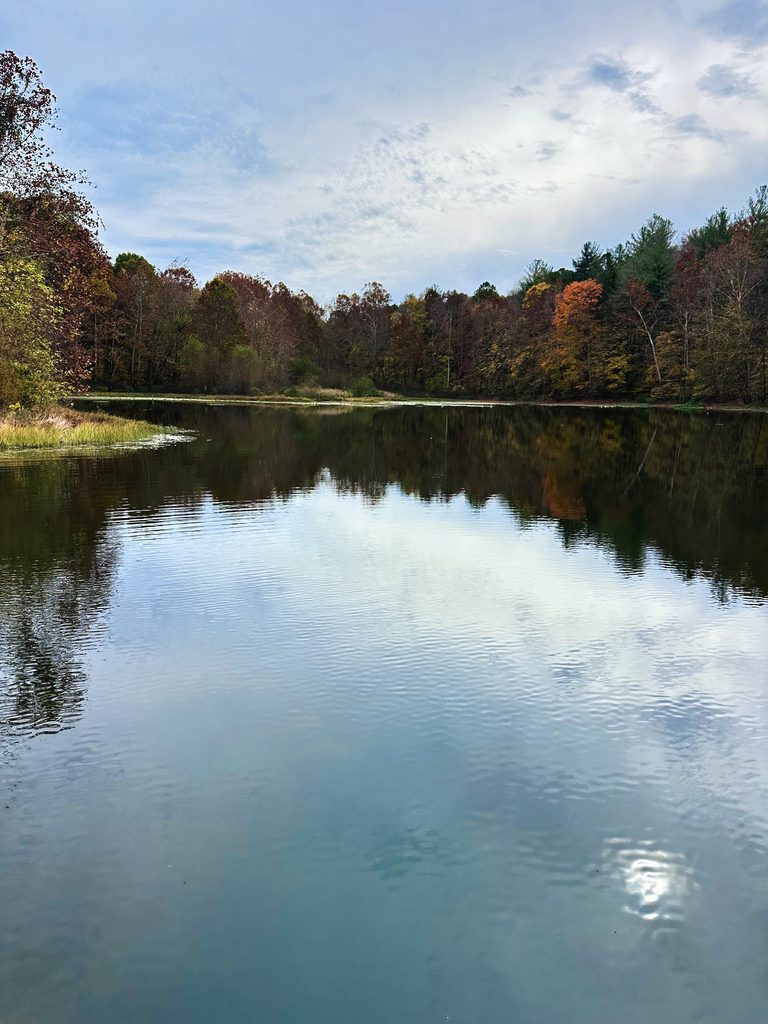
If you’ve never explored the Indian-Celina Lake Recreation Area or visited the grounds of the Rickenbaugh House, I encourage you to discover this remarkable corner of Perry County.
Enjoy the trails. Take in the beauty of the forest. Learn about the history of the land and the people who once called it home.
A special thank you to Hoosier National Forest and its dedicated team for opening the doors of the Rickenbaugh House and giving our community the opportunity to experience this remarkable piece of history firsthand.
The house itself is open to visitors during select opportunities, but there is so much more to discover throughout Hoosier National Forest! From scenic trails and peaceful lakes to historic sites, educational programs, and special events, opportunities to explore and connect with nature are all around us.
Discover more, plan your next adventure, and follow upcoming events and programs: https://www.fs.usda.gov/r09/hoosier
And while you’re exploring, consider the generations who walked these paths before us, and the generations who will follow.
We are all part of a much larger story.
This Is Perry.
This Is Perry is a community storytelling series from Perry County Development Corporation, celebrating the people, places, organizations, and everyday efforts making a difference throughout Perry County.
Photos by Gabby Davis, Perry County Development Corporation.
Have a story worth sharing? Know of an upcoming community project, volunteer opportunity, local initiative, or someone making a difference in Perry County? We’d love to hear about it!
Share your story ideas with ga***@*******ry.com for a chance to be featured in This Is Perry!